Search This Blog

Showing posts with label guidelines. Show all posts

Monday, July 8, 2013

12 Kitchen items that will make your dishes extra sexy!


I've come to the realization, as of late, that I go to someones house and they are like "Oh! your'e a chef, you can cook anything!" I usually shrug my shoulders and say "Yeah dude." Then somehow we start cooking or coming up with something, because I love cooking with people and I love sharing information on a personable level. However, I've found the average kitchen to be quite lacking in tools to help you create restaurant (or just better) quality dishes.

So, I've compiled a list of 12 items that we (chef's) have in the kitchen that help us reach the goal we desire. Here they are in no particular order:
Mandolin:

This item is probably one of my favorite things to utilize. As you can see, this model comes with a few attachments that allow you to not only make thin cuts, but also a julienne cut, and a ripple cut - which are way cool! Furthermore, I would like to draw your attention to the black item that is sitting on top of the mandolin. This is a guard/guide and basically spears the product while protecting your hand against the blade. SAFETY is the key here!! I could probably bore you to death with the amount of stories I have of people taking the tips of their fingers off on these guys. USE THE SAFETY MEASURES!

There are cheaper plastic models that offer the same peace of mind. I'm not terribly partial on either model though. The plastic ones last a few years, but the metal ones can last a lot longer. If you are going to get a metal one, get one where you can remove the blade and either sharpen it or replace it. A lot of the metal ones can get dull and therefore create a bigger issue than previously had. 

A knife sharpener:

I'ts very important to keep your blade sharp. You may think a sharp knife is more likely to cut you - that's not true whatsoever. The sharper the knife, the easier it cuts; therefore requiring less effort from you. A lot of times when you have a dull knife, you have to hack away at something in order to cut it and that can be both messy and dangerous. This is an easy way to avoid all those situations. 

Mesh strainer:

I use strainers all the time, and have a few of them. For general use, I would say get a larger one (somewhere in the 9"-12" diameter range). I would say that it is very important that you also have a container that this strainer fits on top of so you can strain properly into it, instead of all over the counter and floor. I wouldn't really suggest that you invest in a fine mesh strainer. I'd say the one in the picture below is a medium, and it works for pretty much everything I need. I strain a lot of stuff out of broths, purees, gravys (get those lumps out!),  and for when I make cheese/whey protein. These items are pretty cheap (I think I picked up a set of three for under $10), and really allow you to take it up a notch!From www.nfsequip.com

Food processor:

This can quickly become your best friend in the whole world! A food processor is different from a blender because, if you notice all the attachments below, you have a ton more options to do with it. This comes in handy when you are breaking down large batches of produce or cheeses. This is also great when you have to mince or fine chop a bunch of ingredients. I've also pulled off making small dough batches, as well as your own mayo (aole if you want to be trendy). The slicing and grating attachment are great as well for blowing through fruits or vegetables to use for pies and the grater is amazing with cheese. 
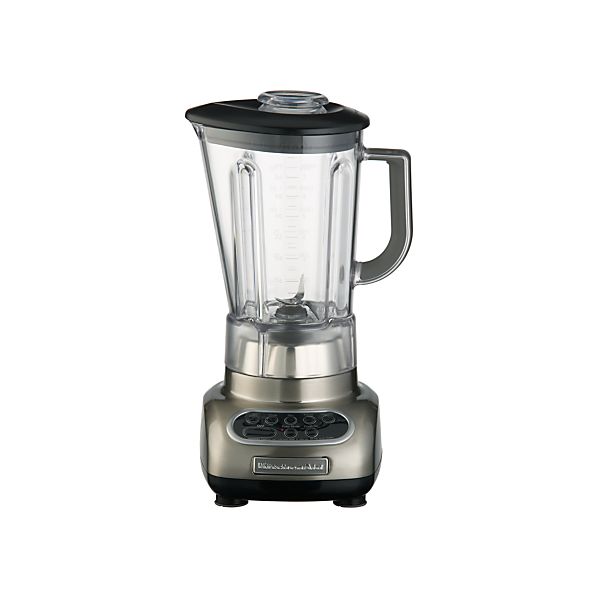
Blender:

I use blenders all the time and I would say its more essential than a food processor. However, you can mostly just blend product, and there aren't any fancy attachments. The more powerful the blender the better! This is a great addition for pureed soups, sauces, smoothies, shakes, even cold oil or vinegar infusions. I prefer this to a stick blender because it usually creates a finer, smoother product than anything else I've worked with. 
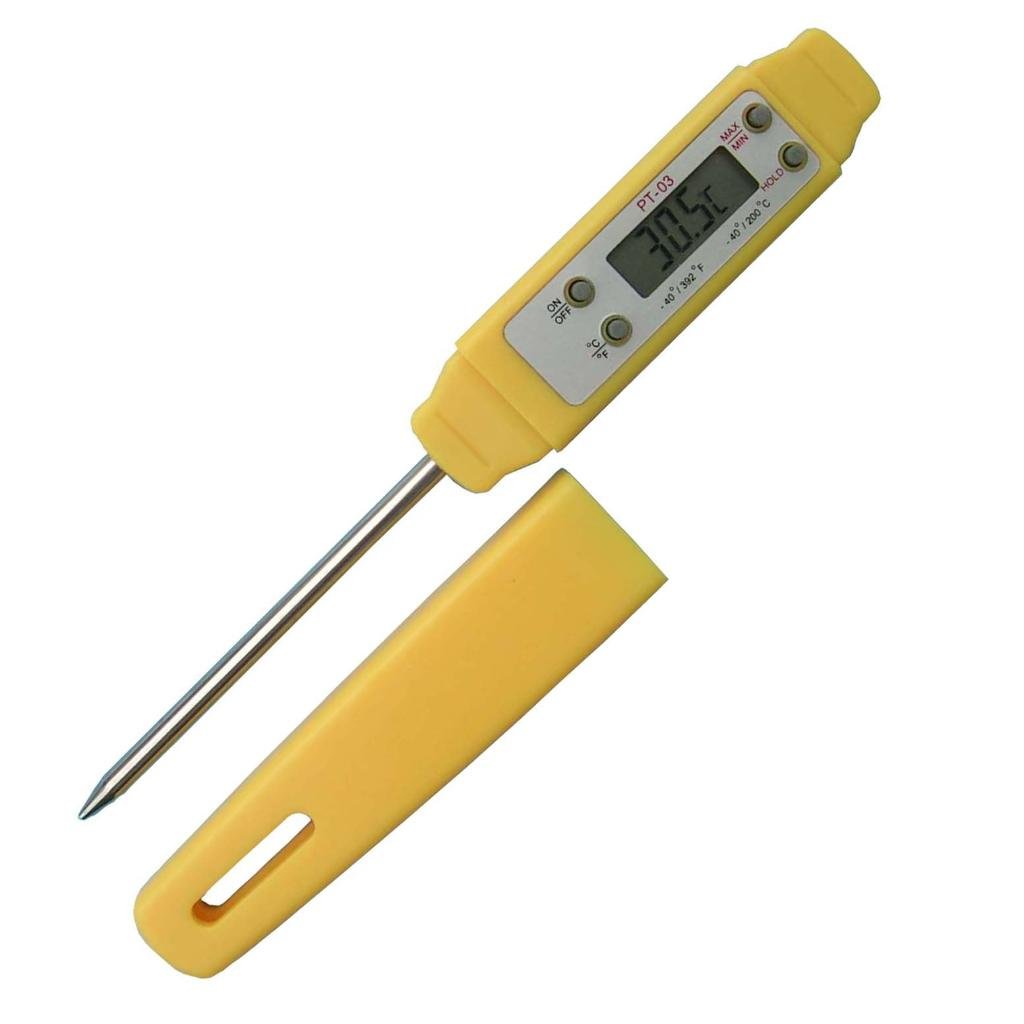
Thermometer:

This is your number one friend in the kitchen! If you choose to get anything from this publication, get this and nothing else! One of the biggest issues I've seen is that people tend to overcook proteins, or their oil is not hot enough (or too hot) when they are frying something. So, I suggest you pick up a thermometer of the digital variety. I only say this because most of the analog thermometers require you to submerge the probe a good inch or so into the product. A digital one only requires that the tip of the probe be exposed to the temperature area thus resulting in a more accurate read. Make sure that your thermometer goes above 350 degrees though. You want to be able to make sure that if you go above it, you know before your oil catches flame. 
Zester/grater:

These little tools are one of my favorite things to use in the kitchen. This allows you to utilize the zest of citrus fruits, as well as creating a fine grate of cheese, nut, or ginger. It's really versatile in the uses, and you can simply throw it in the dishwasher when you need to wash it. I don't think mine ever makes it in the drawer haha. I would recommend the Microplane brand when it comes to this - it's totally worth the price. They have a lot of varieties, but this one and the wider model are the ones I would suggest.  Fresh grated anything tastes a whole lot better than anything you could find in a jar or in the dried version. 
Citrus Juicer:

These usually run around $3-$5 each. I totally suggest getting one of these to really utilize the freshness of citrus juice. I'm not a fan of buying these juices at all. You only use a little bit at a time, unless your making some kind of -ade. So why not fresh squeeze it? Plus, you get to use the zest as well! You can't buy those delicious essential oils in the grocery store. This is also a great addition for cocktails. From images.doba.com
Perforated pot insert:

I don't necessarily use this for pasta, as much as I use it as a steamer. When it comes to steaming veggies like fresh peas or edamame, this is the best option around. This is also great for doing seafood steams/bakes (throw all ingredients in with some white wine, beer, or seasoning and call it a day) because, unlike the other options, this is pretty heavy duty. So, if your like me and when you get clams, your going to cook off like a million, this can handle the load. You could technically use it as a smoker as well, however, then everything used with that insert will taste smokey, which isn't always a bad thing if you ask me!From fbcdn-sphotos-d-a.akamaihd.net
Silpat:

I am brand sensitive with this selection. This product lays down in your sheet tray and completely prevents anything from sticking - dead serious! This thing is amazing all around. Cookies cook evenly; if cheese falls out of your Stromboli, it doesn't stick to the tray; you can make crackers without having them burn; make some cheese crisps; all this and you can put it in the dishwasher as well! I've seen these last for years, even longer if taken care of properly. They can be pricey depending on what you get, and they also have some options that are like muffin trays; and are really awesome to create little bowls to hold product in. One cool thing to do is take fresh masa, grits, or polenta, and line these molds with them, then fill it with some delicious dip so you eat the bowl as you eat the dip. 
Digital scale: 

I suggest this if you are counting calories, baking, or measuring. Remember in science class we learned the difference between volume and weight? Measuring cups measure volume, and shouldn't be a measurement for anything but a liquid. One cup of flour does not weigh anywhere near how much a cup of sugar weighs, Furthermore, the cup measurements tend to be to variable for me. Depending on how fresh an herb may be, or how much you pressed something into the measure means all the difference in creating a consistent dish. You'll notice that most chefs from EU and UK use this method, and Americans are the only ones who don't seem to grasp this idea. Anyway, you can pick these up pretty cheaply at your local general store. Make sure that you can toggle between lbs/oz and kilo/grams to replicate foreign recipes with relative ease. 
Roasting/Chemising rack:

These have many uses in the industry, but derive from the same idea: by elevating the product, you are able to get hot/cold air under the product. For example: cooling cookies, baking bacon so its super crispy, roasting proteins, and pouring chocolate, glaze, or fondant over some baked good. 

Tuesday, April 23, 2013

Make your fridge work for you


In my vast ponderings of information to provide to my readers, I found myself staring at the fridge trying to figure out what to make or address. It occurred to me that one of the biggest issues with eating healthy is the fact that most people (including myself) are extremely lazy and sometimes just don’t want to cook for whatever reason imaginable. So, I’d like to provide you with some of my restaurant knowledge.

This method of batching and staples will allow you to utilize leftovers and be able to create healthy and fresh dishes in literally a few minutes. The trick is to do a batch big enough to sustain three meals (on average). Doing this size batch allows you to also utilize seasonal produce, and experiment with different variations and truly perfect your dishes to the point you want them to be. I’ve created a list below with a brief explanation as to why I’ve included it and how to utilize it. Please feel free to comment on other staples that you keep!

Pre-cut product – one of the hardest things about cooking is chopping veggies to be cooked. So, I have found it very easy to, when making something, cut up some extra and set it aside in a bag or small container. This way you can have items ready to go, and not mess with a cutting board or the mess that can populate all over the counter. Help you help yourself, and stay prepped! If you juice, or do smoothies; take an hour aside one day a week and get some bags prepped up with your usual suspects. This way all you do is take the bag, dump it in, and you’re in business!

Fruit – Whether it’s fresh fruit, or preserved fruit, having these sweet products in your fridge allows you to have a quick grab-and-go snack, or simply add a sweet component to a spicy dish. Fruits are also great for dessert applications. Keep in mind as well that avocados are fruits.  I’ll be addressing preservation methods of fruit a little bit later on in the blog progression, as items get into season.

Vegetables – These are key; probably the most important. Without fresh vegetables, you will suffer from a serious lack of nutrients. Furthermore, try and buy these as local as possible to reduce greenhouse gasses and cost of labor and transportation on large companies.  I will be going into greater detail on which vegetables can be utilized to do what, but I will provide a quick list for you below:
·         Dark leafy greens – these are essential. The versatility and nutritional value of dark leafy greens (kale, spinach, collards, and mustard greens) is incomparable to the space they can take up in your fridge. You can use these in soups, smoothies, sauté’s, or even braises. 
·         Celery – I love utilizing celery in almost everything. I shave it down to use in salad, it’s a basis for soups, adds a nice pop to roasted or braised veggies. This is a standard item in the professional kitchen. Also, eaten raw, it takes more calories to consume it than it actually provides.
·         Carrot – I use carrots in a lot of applications. Traditionally speaking the carrot is one of the base elements in classical cooking. I use carrots to roast, steam, juice, and add some crunch and color to slaws.
·         Onion – yet another staple in the professional kitchen. I would suggest exploring different kinds of onions if you can. White, Spanish, and yellow onions are the varieties most used in cooking. However, by using a red onion, you can jazz up a dish and add some color to it. I also find red onion to be a little more potent in the raw form.
·         Peppers – Ranging from sweet bells, to spicy habaneros, peppers are a great addition to have on hand. You can roast them, or just eat them raw with a dip. The possibilities are endless and they really add to the subtle crunch of a salad if shaved down. These can also be used in other applications like salsa and bruschetta.
·         Root vegetables – these include radishes, potatoes, and beets. These are great to roast or to fry. You can also use them to beef up the yield of a soup or simply braise them with some meat. But, since they are underground, they tend to have a higher caloric count.
·         Seasonal – Also stock 2-4 seasonal vegetables. These range from asparagus in the spring, to tomatoes in the summer, and squashes in the fall.  There’s simply nothing better than produce that is fresh and ripe and local! Get creative!

Herbs – bring in another level of complexity into your dishes. You can utilize these in many ways ranging from soups, sauces, sautés, dips, salad additives, and garnishes. I would suggest stocking the following: parsley, cilantro, thyme, oregano, rosemary, and basil. The possibilities are endless; and it makes your dish so much better to have a nice pop of green on it. Herbs also aide in the aroma of the food, which then stimulates and prepares your palate. I would also highly suggest stocking herb oil as well. It’s a quick and easy way to utilize herbs that may be going bad and preserve them longer while maintaining a good flavor.

Beans – Being one of the highest sources of plant based protein in the world, beans allow you to simply add them to anything and increase your protein intake. You can add them to salads, patties, soups, sauces, stews, or even pureed into a “hummus”. So, hopefully you can see the full utilization of this versatile product and its importance in diet.

Rice/grains – Having some pre-cooked items like this are super useful when it comes down to utilization. You can add ingredients and create cold grain salads (bulgur wheat, faro, barley, quinoa, etc.) or simply do a quick pan fried rice, or whip together a quick veggie patty (not burger, burgers have meat). It’s also very easy to reconstitute/reheat with a small amount of liquid and garnish and completely change the flavor profile.

Pickled vegetables – This is a great way to preserve vegetables that may be going bad soon. You can also use these veggies (and liquid) as salad toppers and the liquid as a flavoring agent in your salad as well. You can also use this as a great crunchy addition to any sandwich, or simply as a side dish. Drain the vegetables from the liquid; add some acid (vinegar, or citrus) and some seasoning/herbs and you’ve got marinated vegetables ready to go. By modifying the pH level of the holding liquid, you are able to maintain freshness for weeks at a time. Pickling also offers you a fat-free option in your consumption without losing any flavor, if you’re not into the raw movement as much as I am.

Juice – If you are buying it in the store, or juicing yourself, this is a must have for me. You can drink them straight, mix them with some booze, or reduce to a sauce. I’ve also found it very helpful to have juice around when making vinaigrettes, simple desert sauces, and glazes. I do a lot of Caribbean/Mexican influenced cooking and creating a sweet and hot profile is possibly one of my favorite combinations.

Yogurt – I use yogurt both for its nutritional purposes, and as a sour cream or heavy cream substitute in sauces and soups. It is a bit tangier, but I find it to be a pleasant change from the heaviness of cream. I’ve also utilized this as a base for spreads (substitute for mayo), and a great alternative to plain vanilla iced cream. Simply by adding some vanilla extract, and a touch of cinnamon, you have a healthy and sweet snack.

Reductions - a highly useful sauce-on-hand, reductions are simple, sweet, and ready to use. I would suggest reducing some juices (orange or apple), a wine (usually red), or soy. These can easily be thrown on some fruit or yogurt as an additional sweeter; but on a more natural level. You can easily use those as a basis for numerous sauces and simple garnishes.

Citrus – I have found this to be one of the most underutilized products in the home kitchen. Citrus fruits (lemon, lime, orange, and grapefruit) not only provide brightness to a dish, but you can also zest the outer flesh to increase the citrus flavor. A lot of times, I have citrus lying around that’s completely zested, exposing the pith and creating a dry flesh texture. This is completely fine, and you can still utilize the juice, or merely eat it raw or segment it into a salad.

Milk/butter – As fattening as butter is, and with all the negative annotations associated with milk, I still utilize them, but in small amounts. Milk is great for making dairy based sauces and thinning out creamy dressings (instead of using water). I would urge greatly that if you buy milk, you get whole milk. By the time all the fat has been taken out for 2%, 1%, and skim, there is hardly any nutritional value whatsoever. Butter is also good for classic sauces, and adding a little in a sauté dish does add another level of dimension to the dish that is quite pleasing. Although, I will say, when I use butter, it’s usually about a teaspoon per portion at most.

Cheese – I’m a cheese fanatic! I love cheese in dishes, especially with something fried or on sandwiches. Cheese is a great way to increase protein on a dish, or simply add extra flavor or saltiness. I would encourage you to explore any local cheeses that you may encounter. The cheese scene has become very artisanal lately and there are a ton of great new styles, and twists on old ones as well. I would say steer clear of things like cheese whiz or American cheese – it’s not really cheese, but some over processed combination of chemicals designed to taste and feel like cheese. I would also suggest having a small container or bag with pre-sliced, shredded, or grated cheese. It’s so much easier to just reach in and grab what you need and move on.

Eggs (hard boiled) – Eggs are a great and simple source of protein. But I find when cooking them, I just get annoyed with making a dirty pan or pot. So I offer you this suggestion: take half of your eggs and hard boil them. You can use a marker to indicate which ones are already cooked (don’t tell the health department I told you to do this!), or simply keep them in a separate location. This way you can easily take some precooked meat or vegetables from the night before, throw in a sliced cooked egg, or mash it all up into a salad. The quick and easy possibilities with this are pretty much endless.