I've come to the realization, as of late, that I go to someones house and they are like "Oh! your'e a chef, you can cook anything!" I usually shrug my shoulders and say "Yeah dude." Then somehow we start cooking or coming up with something, because I love cooking with people and I love sharing information on a personable level. However, I've found the average kitchen to be quite lacking in tools to help you create restaurant (or just better) quality dishes.
So, I've compiled a list of 12 items that we (chef's) have in the kitchen that help us reach the goal we desire. Here they are in no particular order:
Mandolin:

This item is probably one of my favorite things to utilize. As you can see, this model comes with a few attachments that allow you to not only make thin cuts, but also a julienne cut, and a ripple cut - which are way cool! Furthermore, I would like to draw your attention to the black item that is sitting on top of the mandolin. This is a guard/guide and basically spears the product while protecting your hand against the blade. SAFETY is the key here!! I could probably bore you to death with the amount of stories I have of people taking the tips of their fingers off on these guys. USE THE SAFETY MEASURES!
There are cheaper plastic models that offer the same peace of mind. I'm not terribly partial on either model though. The plastic ones last a few years, but the metal ones can last a lot longer. If you are going to get a metal one, get one where you can remove the blade and either sharpen it or replace it. A lot of the metal ones can get dull and therefore create a bigger issue than previously had.
A knife sharpener:
I'ts very important to keep your blade sharp. You may think a sharp knife is more likely to cut you - that's not true whatsoever. The sharper the knife, the easier it cuts; therefore requiring less effort from you. A lot of times when you have a dull knife, you have to hack away at something in order to cut it and that can be both messy and dangerous. This is an easy way to avoid all those situations.

Mesh strainer:
I use strainers all the time, and have a few of them. For general use, I would say get a larger one (somewhere in the 9"-12" diameter range). I would say that it is very important that you also have a container that this strainer fits on top of so you can strain properly into it, instead of all over the counter and floor. I wouldn't really suggest that you invest in a fine mesh strainer. I'd say the one in the picture below is a medium, and it works for pretty much everything I need. I strain a lot of stuff out of broths, purees, gravys (get those lumps out!), and for when I make cheese/whey protein. These items are pretty cheap (I think I picked up a set of three for under $10), and really allow you to take it up a notch! From www.nfsequip.com
 From www.nfsequip.com
Food processor:
This can quickly become your best friend in the whole world! A food processor is different from a blender because, if you notice all the attachments below, you have a ton more options to do with it. This comes in handy when you are breaking down large batches of produce or cheeses. This is also great when you have to mince or fine chop a bunch of ingredients. I've also pulled off making small dough batches, as well as your own mayo (aole if you want to be trendy). The slicing and grating attachment are great as well for blowing through fruits or vegetables to use for pies and the grater is amazing with cheese.

Blender:
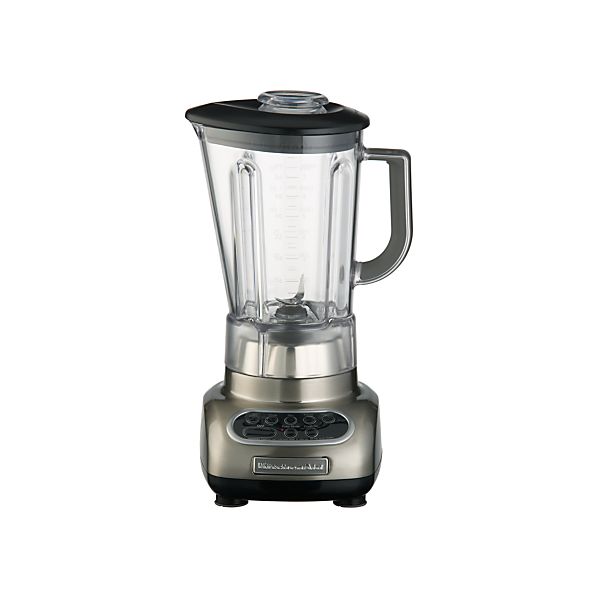
I use blenders all the time and I would say its more essential than a food processor. However, you can mostly just blend product, and there aren't any fancy attachments. The more powerful the blender the better! This is a great addition for pureed soups, sauces, smoothies, shakes, even cold oil or vinegar infusions. I prefer this to a stick blender because it usually creates a finer, smoother product than anything else I've worked with.
Thermometer:
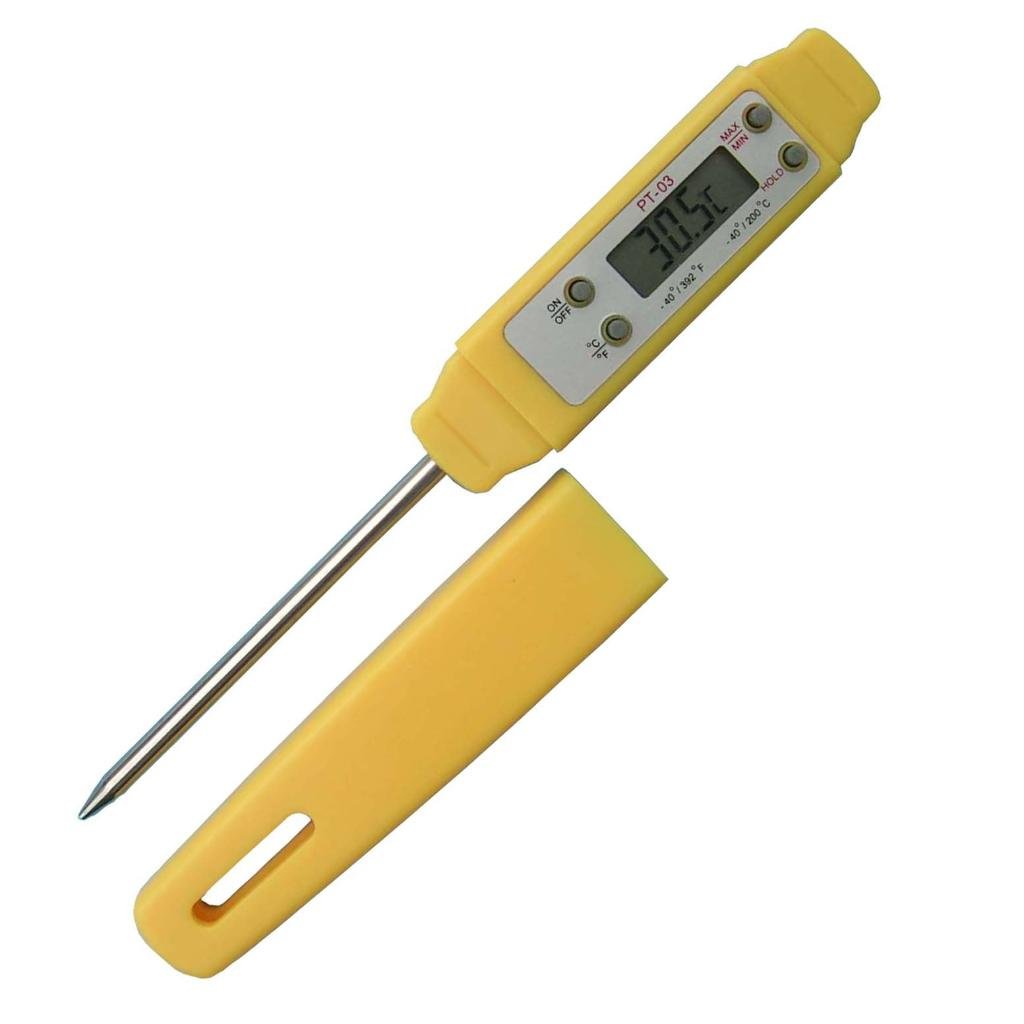
This is your number one friend in the kitchen! If you choose to get anything from this publication, get this and nothing else! One of the biggest issues I've seen is that people tend to overcook proteins, or their oil is not hot enough (or too hot) when they are frying something. So, I suggest you pick up a thermometer of the digital variety. I only say this because most of the analog thermometers require you to submerge the probe a good inch or so into the product. A digital one only requires that the tip of the probe be exposed to the temperature area thus resulting in a more accurate read. Make sure that your thermometer goes above 350 degrees though. You want to be able to make sure that if you go above it, you know before your oil catches flame.
Zester/grater:
These little tools are one of my favorite things to use in the kitchen. This allows you to utilize the zest of citrus fruits, as well as creating a fine grate of cheese, nut, or ginger. It's really versatile in the uses, and you can simply throw it in the dishwasher when you need to wash it. I don't think mine ever makes it in the drawer haha. I would recommend the Microplane brand when it comes to this - it's totally worth the price. They have a lot of varieties, but this one and the wider model are the ones I would suggest. Fresh grated anything tastes a whole lot better than anything you could find in a jar or in the dried version.

Citrus Juicer:
These usually run around $3-$5 each. I totally suggest getting one of these to really utilize the freshness of citrus juice. I'm not a fan of buying these juices at all. You only use a little bit at a time, unless your making some kind of -ade. So why not fresh squeeze it? Plus, you get to use the zest as well! You can't buy those delicious essential oils in the grocery store. This is also a great addition for cocktails.  From images.doba.com
 From images.doba.com
Perforated pot insert:
I don't necessarily use this for pasta, as much as I use it as a steamer. When it comes to steaming veggies like fresh peas or edamame, this is the best option around. This is also great for doing seafood steams/bakes (throw all ingredients in with some white wine, beer, or seasoning and call it a day) because, unlike the other options, this is pretty heavy duty. So, if your like me and when you get clams, your going to cook off like a million, this can handle the load. You could technically use it as a smoker as well, however, then everything used with that insert will taste smokey, which isn't always a bad thing if you ask me! From fbcdn-sphotos-d-a.akamaihd.net
 From fbcdn-sphotos-d-a.akamaihd.net
Silpat:
I am brand sensitive with this selection. This product lays down in your sheet tray and completely prevents anything from sticking - dead serious! This thing is amazing all around. Cookies cook evenly; if cheese falls out of your Stromboli, it doesn't stick to the tray; you can make crackers without having them burn; make some cheese crisps; all this and you can put it in the dishwasher as well! I've seen these last for years, even longer if taken care of properly. They can be pricey depending on what you get, and they also have some options that are like muffin trays; and are really awesome to create little bowls to hold product in. One cool thing to do is take fresh masa, grits, or polenta, and line these molds with them, then fill it with some delicious dip so you eat the bowl as you eat the dip.

Digital scale:
I suggest this if you are counting calories, baking, or measuring. Remember in science class we learned the difference between volume and weight? Measuring cups measure volume, and shouldn't be a measurement for anything but a liquid. One cup of flour does not weigh anywhere near how much a cup of sugar weighs, Furthermore, the cup measurements tend to be to variable for me. Depending on how fresh an herb may be, or how much you pressed something into the measure means all the difference in creating a consistent dish. You'll notice that most chefs from EU and UK use this method, and Americans are the only ones who don't seem to grasp this idea. Anyway, you can pick these up pretty cheaply at your local general store. Make sure that you can toggle between lbs/oz and kilo/grams to replicate foreign recipes with relative ease.

Roasting/Chemising rack:
These have many uses in the industry, but derive from the same idea: by elevating the product, you are able to get hot/cold air under the product. For example: cooling cookies, baking bacon so its super crispy, roasting proteins, and pouring chocolate, glaze, or fondant over some baked good.